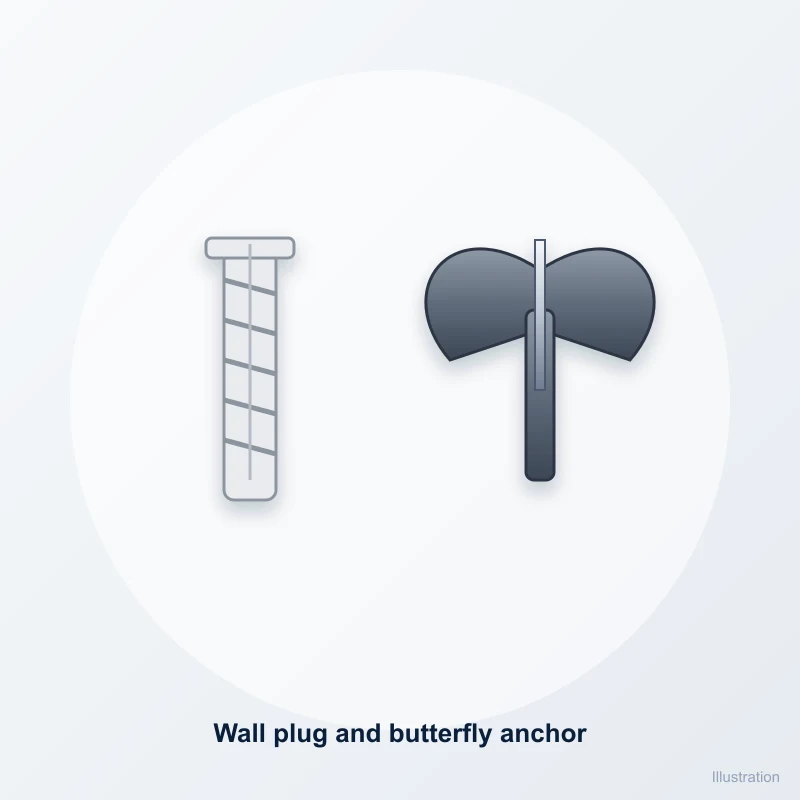
Fischer Plug & Butterfly Fischer (Wall Plugs)
Type: plastic expansion wall plug and butterfly (toggle) plug | Common plug sizes: S5, S6, S8, S10, S12 | Drill size: matches plug size | Base: concrete, block, brick, plasterboard | Supply: loose or boxed
Plastic wall plugs (fischer plugs) and butterfly plugs for fixing into concrete, block, brick and plasterboard. Sizes, drill sizes and a base-material guide, supplied from Sharjah.
Key Features
Applications

A fischer plug is a plastic expansion wall plug that grips the inside of a drilled hole when a screw is driven in. A butterfly plug is the hollow-wall type that opens behind plasterboard. Falcon Link TR supplies both kinds from Sharjah for fixing shelves, frames, fittings and light fixtures.
What is a fischer plug?
Many buyers say "fischer plug" for any nylon wall plug, because fischer is a well-known brand name. The plug is pushed into a drilled hole in concrete, brick or block. As the screw goes in, the plug expands and presses against the hole wall. The size is given by a letter and a number, such as S6 for a 6 mm hole.
Wall plug sizes, drill sizes and screws
| Plug size | Drill size | Typical screw | Typical use |
|---|---|---|---|
| S5 | 5 mm | Small wood or chipboard screw | Light fittings and cable clips |
| S6 | 6 mm | About 4 to 5 mm screw | Shelves, small brackets, sockets |
| S8 | 8 mm | About 4.5 to 6 mm screw | Wall units, curtain rails, handrails |
| S10 | 10 mm | About 6 to 8 mm screw | Heavier brackets and frames |
| S12 | 12 mm | About 8 to 10 mm screw | Heavy fixtures with a long screw |
A plug with a cap or collar sits flush against the surface and stops the plug sliding into the hole. Always drill the exact size for the plug you chose.
Which fixing for which wall?
| Base material | Suitable fixing | Notes |
|---|---|---|
| Solid concrete | Expansion plug with screw | Use a hammer drill |
| Solid brick or block | Expansion plug with screw | Drill without hammer on soft block |
| Hollow block or brick | Plug designed for hollow material | Plain plugs may spin in voids |
| Plasterboard or gypsum wall | Butterfly (toggle) plug or cavity anchor | Check the weight of the fixture |
| Aerated block | Special plug for soft material | Standard plugs can crush the block |
What is a butterfly fischer?
A butterfly plug is a hollow-wall anchor. You drill a hole through the plasterboard, push the folded plug through, and as the screw tightens, the wings open behind the board and clamp it. This spreads the load across the back of the board instead of relying on the thin board alone.
How to fit a wall plug correctly
- Mark the position and check for pipes and cables behind the wall.
- Drill the hole to the size and depth the plug needs, then blow out the dust.
- Push the plug in until it is flush with the surface.
- Drive in the screw until it is firm, but do not overtighten.
Common mistakes with wall plugs
- Drilling a hole that is too large, so the plug just spins.
- Using a short screw that never expands the plug.
- Fixing heavy loads to plasterboard with plain plugs.
- Skipping the hammer function in concrete and wrecking the hole.
- Reusing a plug that has already been expanded once.
Load and safety notes
Plug ratings come from the maker's data sheet and depend on the base material and the screw. Do not use plain wall plugs for safety-critical or overhead loads. For those, use a proper anchor and follow the engineer's fixing detail.
Choosing the screw length
As a rule, the screw must pass through the fixture and then run the full length of the plug plus a little more, so it can expand the plug along its whole body. A screw that is too short only expands the front of the plug, which pulls out under load.
Tip for hollow block
Tap the wall first. A dull, solid sound suggests solid concrete or filled block, while a hollow sound means a void behind the surface. In a void, a plain plug has nothing to grip, so use a plug made for hollow material.
What to buy with wall plugs
Most jobs also need bolts, nuts and washers for heavier fixings, a through bolt for structural anchoring and steel nails for timber. Browse all fasteners, anchors and fixings.
Request a quote
Send the plug size, screw size, base material, quantity and delivery area through our contact page. Photos of the plug and screw help us match them.
Use Cases
Shelves and brackets
An S8 plug and screw in solid wall takes common bracket loads for domestic and office use.
Plasterboard walls
Butterfly plugs spread the load behind the board for lighter hanging items.
Fit-out work
Contractors buy boxed plugs by size to speed up repeated fixings.
Frequently Asked Questions
What is a fischer plug?
It is a plastic expansion wall plug. When you drive a screw in, the plug expands in the drilled hole and grips the wall. Fischer is a brand name, but many buyers use the word for any nylon wall plug.
What size plug do I need for a 6 mm screw?
A screw of about 4 to 5 mm normally goes with an S6 plug and a 6 mm hole. For a true 6 mm screw you would usually move up to an S8 or S10 plug. Check the plug pack for its screw range.
What is a butterfly fischer?
It is a hollow-wall plug. Its wings open behind plasterboard as the screw is tightened, which spreads the load across the board back. It is used for fixing into gypsum board and other hollow walls.
Which plug suits hollow block?
Use a plug made for hollow material, which expands or knots inside the void. A plain solid-wall plug can spin in the hole. Ask us for a recommendation with the block type.
Are nylon plugs suitable for concrete?
Yes for light and medium loads. For heavy or safety-critical fixings, use a proper anchor such as a through bolt instead, and follow the engineer's fixing detail.
What drill size do I use for an S8 plug?
An S8 plug normally needs an 8 mm hole. Always match the drill to the plug size printed on the pack and drill to the depth the plug needs.
More from Fasteners, Anchors & Fixings
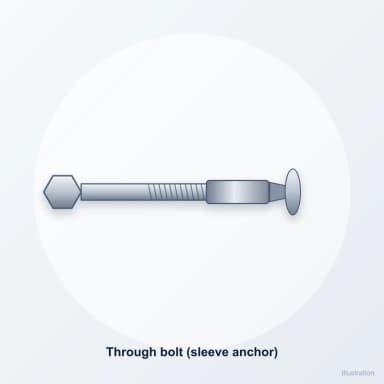
Through Bolt (Wedge / Sleeve Anchor)
Type: through bolt (wedge or sleeve anchor) | Typical sizes: M8, M10, M12, M16 | Common lengths: 75 to 200 mm | Finish: galvanised or stainless | Base: concrete
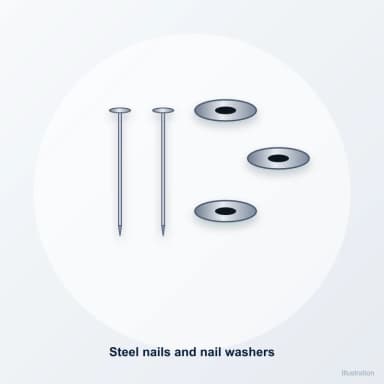
Black Steel Nails & Nail Washers
Type: black steel wire nail, flat head | Length: about 1 to 6 inch (25 to 150 mm) | Finish: black, bright or galvanised (to confirm) | Also: nail washers | Supply: by kg or carton (to confirm)
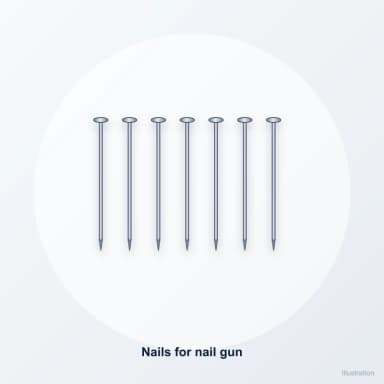
Gun Nails (DN27)
Code: DN27 (meaning to be confirmed) | Likely length: about 27 mm (to confirm) | Form: loose or collated strip (to confirm) | Used with: nail gun | Supply: boxed, quantity to confirm
GI Wire (Galvanised Binding Wire)
Material: galvanised iron wire | Common gauges: SWG 16, 18, 20 | Supply: coils (weight varies) | Uses: rebar tying, fencing, hanging, general binding
Ready to Order? Get a Free Quote Today
Contact our team for competitive pricing, custom orders, and fast UAE-wide delivery.