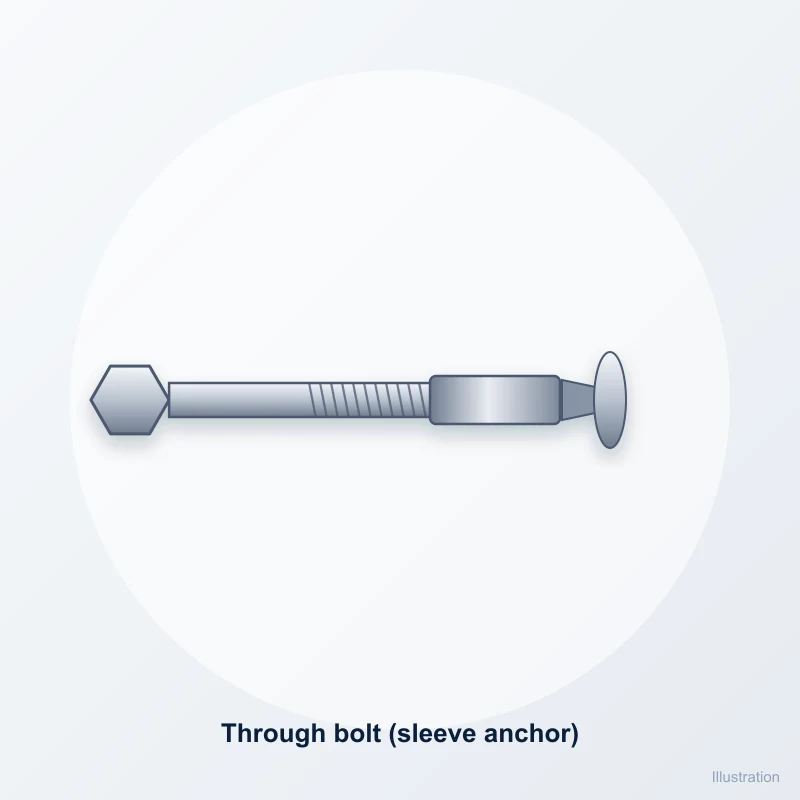
Through Bolt (Wedge / Sleeve Anchor)
Type: through bolt (wedge or sleeve anchor) | Typical sizes: M8, M10, M12, M16 | Common lengths: 75 to 200 mm | Finish: galvanised or stainless | Base: concrete
Through bolts (wedge or sleeve anchors) fix brackets, rails and machinery into concrete. Sizes, hole and length guide, supplied from Sharjah.
Key Features
Applications

A through bolt is an expansion anchor for concrete. You drill a hole through the fixture into the concrete, push the bolt in, and tightening the nut expands a clip or sleeve at the bottom of the hole so the anchor grips. Falcon Link TR supplies through bolts from Sharjah for brackets, rails and equipment.
What is a through bolt?
In UAE trade, "through bolt" usually means a wedge anchor or sleeve anchor that passes through the fixture. A wedge anchor has a threaded stud with an expansion clip. A sleeve anchor has a metal sleeve that expands over the bolt. Both give a firm fixing in solid concrete and are used for handrails, racks and equipment.
Through bolt sizes and lengths
| Size | Common lengths | Hole diameter | Typical use |
|---|---|---|---|
| M8 | 75, 100, 120 mm | Same as bolt size | Light brackets and small frames |
| M10 | 90, 115, 140 mm | Same as bolt size | Handrails, racks, light machinery |
| M12 | 100, 125, 150 mm | Same as bolt size | Heavy brackets, structural supports |
| M16 | 125, 150, 200 mm | Same as bolt size | Heavy equipment and steel bases |
Lengths and fixture thickness vary by maker. Check the data sheet for the depth the anchor needs, and send us the fixture thickness so we can pick the right length.
Wedge anchor, sleeve anchor or chemical anchor?
| Type | How it grips | Good for |
|---|---|---|
| Wedge (through bolt) | Clip expands at the hole bottom | Heavy fixings in solid concrete |
| Sleeve anchor | Sleeve expands along its length | Concrete, brick and block |
| Chemical anchor | Resin bonds a stud in the hole | Edges, cracked concrete, very heavy loads |
How to install a through bolt
- Mark the fixing and drill through the fixture into the concrete at the right diameter.
- Clean the hole of dust with a brush or blower.
- Insert the bolt with the washer and nut, then tap it in until the washer touches the fixture.
- Tighten the nut with a spanner or torque wrench until the anchor is set.
Which finish for UAE conditions?
| Finish | Where it suits |
|---|---|
| Zinc plated | Dry indoor use |
| Hot-dip galvanised | Outdoor and exposed fixings |
| Stainless steel | Coastal, wet and marine locations |
Coastal air and salt shorten the life of plain zinc finishes, so choose stainless or galvanised for outdoor and seafront work.
Common mistakes
- Drilling the wrong diameter, so the clip cannot expand properly.
- Using the bolt too close to a slab edge.
- Leaving dust in the hole, which weakens the grip.
- Over-tightening until the thread strips.
- Using it in thin or poor concrete without engineering advice.
Spacing and edge distance
An expansion anchor pushes outwards on the concrete around it. If it is too close to an edge or to another anchor, the concrete can crack or break away. The minimum spacing and edge distance come from the maker's data sheet, so check it before marking out your holes.
Setting and checking the anchor
Tighten the nut until the anchor is set, and use a torque wrench where the specification gives a torque. After installing, give the fixture a firm push by hand. Any movement means the anchor has not set, and it should be removed and replaced.
When to call an engineer
For load-bearing fixings, overhead loads, balustrades and anything where failure could hurt someone, the engineer should specify the anchor type, size, depth and spacing. We can supply what they specify.
What to send us for a quote
- Bolt size (M8, M10, M12 or M16) and total length.
- The fixture thickness the bolt passes through.
- The finish: zinc, galvanised or stainless.
- The quantity and delivery area.
If you cannot tell whether your concrete is solid and sound, ask the engineer to check before drilling, because a bad hole in poor concrete cannot be repaired by tightening harder.
What to buy with through bolts
Pair through bolts with bolts, nuts and washers, wall plugs for lighter fixings and threaded rod for hangers. See all fasteners and fixings.
Request a quote
Send the bolt size, length, finish, quantity and the fixture thickness through our contact page.
Use Cases
Handrails
Through bolts hold rail posts to a slab edge with a firm mechanical grip.
Racking
Rack feet are fixed to the floor slab so stacks cannot move.
Equipment bases
Machines and plates are anchored through the base plate into concrete.
Frequently Asked Questions
What is a through bolt?
It is an expansion anchor for concrete. It passes through the fixture into a drilled hole, and tightening the nut expands a clip or sleeve to grip the concrete.
What is the difference between a through bolt and an anchor bolt?
A through bolt expands in a drilled hole after the concrete has cured. A cast-in anchor bolt is placed in the concrete before it is poured. Many people use the words loosely, so describe the job when ordering.
What drill size do I use for an M12 through bolt?
A wedge anchor normally needs a hole the same diameter as the bolt, so 12 mm for M12. Always check the data sheet for your specific anchor and drill to the stated depth.
Which size through bolt for racking?
It depends on rack load and base plate. M10 and M12 are common choices. The rack supplier or an engineer should specify the size, then we can supply the matching bolts.
Are galvanised through bolts suitable outdoors in the UAE?
Galvanised bolts last well outdoors in most inland locations. For seafront or very humid places, stainless steel is the safer choice because salt air attacks zinc.
Can through bolts be used in hollow block?
Standard through bolts need solid concrete to expand against. In hollow block, use a fixing designed for hollow material, such as a sleeve or mesh-sleeve system, or follow the engineer's detail for the wall.
More from Fasteners, Anchors & Fixings
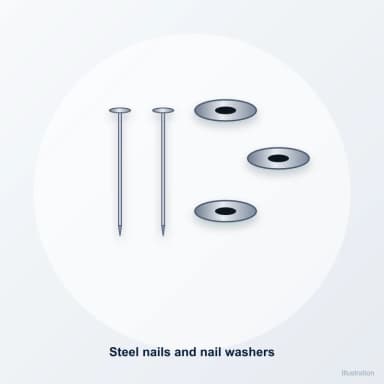
Black Steel Nails & Nail Washers
Type: black steel wire nail, flat head | Length: about 1 to 6 inch (25 to 150 mm) | Finish: black, bright or galvanised (to confirm) | Also: nail washers | Supply: by kg or carton (to confirm)
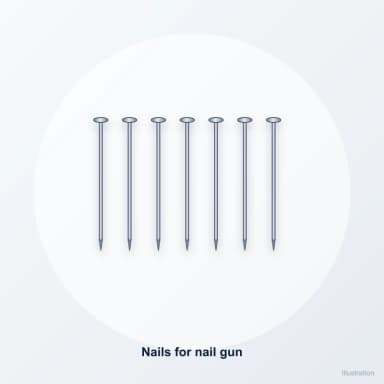
Gun Nails (DN27)
Code: DN27 (meaning to be confirmed) | Likely length: about 27 mm (to confirm) | Form: loose or collated strip (to confirm) | Used with: nail gun | Supply: boxed, quantity to confirm
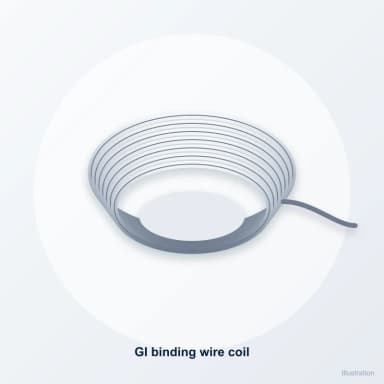
GI Wire (Galvanised Binding Wire)
Material: galvanised iron wire | Common gauges: SWG 16, 18, 20 | Supply: coils (weight varies) | Uses: rebar tying, fencing, hanging, general binding
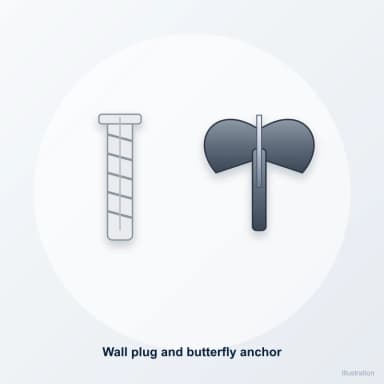
Fischer Plug & Butterfly Fischer (Wall Plugs)
Type: plastic expansion wall plug and butterfly (toggle) plug | Common plug sizes: S5, S6, S8, S10, S12 | Drill size: matches plug size | Base: concrete, block, brick, plasterboard | Supply: loose or boxed
Ready to Order? Get a Free Quote Today
Contact our team for competitive pricing, custom orders, and fast UAE-wide delivery.