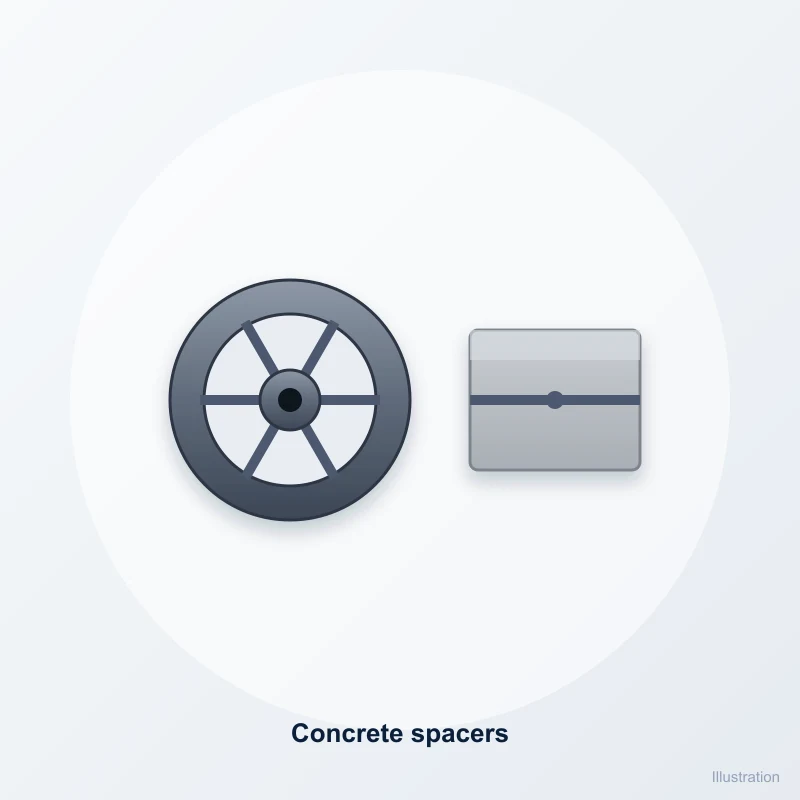
Concrete Spacer (PVC, Wheel & Cover Block)
Material: PVC / plastic or concrete | Types: wheel, cookie, bar chair, cover block | Cover: common range 15 to 75 mm | Fits: common bar diameters | Supply: per piece or bag
Concrete spacers hold reinforcement bars at the right distance from the formwork so the steel gets proper concrete cover. PVC wheel spacers and cover blocks supplied from Sharjah.
Key Features
Applications

A concrete spacer holds reinforcement bars at a set distance from the formwork so the steel ends up with the right concrete cover. Without spacers, bars drift to the form face, rust and weaken the structure. Falcon Link TR supplies PVC wheel spacers and cover blocks from Sharjah.
What does concrete cover mean, and why do spacers matter?
Concrete cover is the thickness of concrete between the steel bar and the outside face. It protects the steel from moisture, salts and fire. In the UAE, where humidity, coastal air and ground salts are common, correct cover is a durability issue. Spacers are what actually create that cover on site.
Types of concrete spacers
| Type | Shape | Typical use |
|---|---|---|
| Wheel (circular) spacer | Round with spokes, clips on to bar | Walls, columns, beams |
| Cookie / block spacer | Small flat block | Slabs and footings |
| Bar chair | Raised chair for horizontal bars | Top and bottom layers in slabs |
| Concrete cover block | Small cast concrete block with tie wire | Soil-contact foundations and heavy members |
| Tower spacer | Taller stacked support | Deep raft and slab layers |
How to choose the right spacer
| Check | Why it matters |
|---|---|
| Cover required (mm) | Set by the drawings and exposure class, commonly between about 15 and 75 mm |
| Bar diameter | The spacer must grip or sit under the bar correctly |
| Element | Walls use wheel spacers, slabs use chairs or blocks |
| Material | Plastic is light and quick, concrete blocks suit heavy members |
The cover number comes from the structural drawings. Ask the engineer if you are unsure, and never guess.
How many spacers do I need?
The spacing depends on bar size, cover and element. A common approach is to follow the drawing notes or the engineer's rule, then count spacers per square metre and multiply by the area. Order a little extra for breakage.
Plastic or concrete spacers?
| Option | Good for | Watch out for |
|---|---|---|
| PVC / plastic | Speed, light weight, walls and slabs | Follow the engineer on where plastic is accepted |
| Concrete block | Soil-contact and heavy members | Heavier, slower to place |
Common mistakes with spacers
- Choosing a spacer for the wrong cover, so steel sits too close to the surface.
- Using too few spacers, so bars sag between them.
- Placing spacers where bars can slide off during the pour.
- Using plastic where the specification calls for concrete blocks.
- Walking on the cage and crushing spacers before the pour.
Fixing spacers to the reinforcement
Wheel spacers clip onto the bar. Chairs and cookies sit under the bar and are usually tied with wire. In every case, check by hand that the spacer holds its place when the bar is pushed, because workers and vibrators will push it during the pour.
Quality checks before concreting
- Compare the spacer size with the cover on the drawing.
- Check that spacers are evenly spread and not clustered.
- Check that none have been crushed or knocked off.
- Ask the engineer or inspector to sign off the cover before the pour.
Questions to ask the engineer
| Question | Why it matters |
|---|---|
| What cover is required for each element? | Footings, walls and slabs often differ |
| Are plastic spacers accepted in this element? | Some members need concrete blocks |
| What spacing applies? | Sets how many spacers you need |
Handling and storage
Keep spacers in labelled bags by cover size and type, because a 25 mm and a 40 mm spacer can look alike. Store plastic away from long direct sun, and keep concrete blocks off wet ground so they stay clean and bond to the pour.
What to send us for a quote
- The cover thickness on your drawing in millimetres.
- The bar diameter the spacer will sit on.
- The element: wall, column, slab, beam or footing.
- The quantity or the area, so we can help you count.
What to buy with concrete spacers
Spacers go together with GI binding wire for tying, rebar safety caps for exposed bar ends, and tie rods for the forms. See the full formwork accessories range.
Request a quote
Send the cover thickness, bar diameter, spacer type and quantity through our contact page.
Use Cases
Wall reinforcement
Wheel spacers clip on to bars so the cage keeps its distance from the form face.
Slab reinforcement
Chairs and cookies lift the bottom layer off the deck so concrete flows under the bars.
Foundation work
Cover blocks hold bars off the soil for the required cover.
Frequently Asked Questions
What is a concrete spacer?
It is a small plastic or concrete part that holds reinforcement bars away from the formwork or ground so that the steel keeps the required concrete cover once the concrete is poured.
What size spacer do I need for 40 mm cover?
Choose a spacer rated for 40 mm cover and your bar diameter. The cover value comes from the drawings, so confirm it with the engineer and then give us the number and the bar size.
Are plastic spacers allowed in structural concrete?
Acceptance depends on the engineer and project specification. Many projects use plastic spacers for walls and slabs and concrete blocks for heavy members. Check your specification.
What is the difference between a wheel spacer and a bar chair?
A wheel spacer clips on a bar and rolls against the form, mainly for walls and columns. A bar chair holds horizontal bars up off the deck, mainly for slabs.
How many spacers per square metre?
There is no single figure because spacing depends on bar size, cover and element. Use the drawing notes or the engineer's guidance, then multiply by area and add a small allowance.
Why is cover so important in the UAE?
High humidity, coastal air and salty ground speed up steel corrosion. Correct cover slows moisture and chloride reaching the bar. That is why the drawings specify cover and why spacers matter.
More from Formwork & Shuttering Accessories
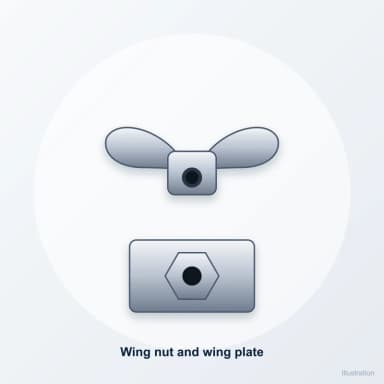
Wing Nut & Wing Plate
Parts: wing nut and wing plate (waller plate) | Fits: formwork tie rod, typical 15 or 17 mm | Material: steel or cast iron | Finish: black or galvanised (confirm) | Supply: loose, sold per piece or carton
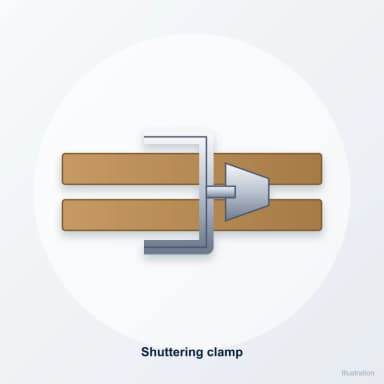
Shuttering Clamp
Material: steel | Type: formwork clamp for plywood and timber | Used on: slab edges, beam sides, columns | Supply: per piece or carton
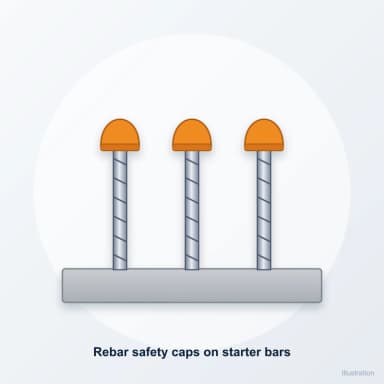
Rebar Cap (Safety Cap)
Material: plastic (PVC or similar) | Types: round, mushroom, square-top | Fits: common rebar diameters (about 8 to 32 mm) | Colour: often orange or red | Supply: per piece or bag
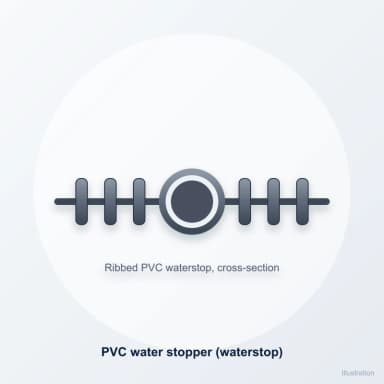
PVC Water Stopper (Waterstop)
Material: flexible PVC | Profiles: ribbed flat, centre bulb | Typical widths: 150, 200, 230, 250 mm | Typical roll length: 10 to 25 m | Use: concrete construction and movement joints | Supply: by roll or by metre
Ready to Order? Get a Free Quote Today
Contact our team for competitive pricing, custom orders, and fast UAE-wide delivery.