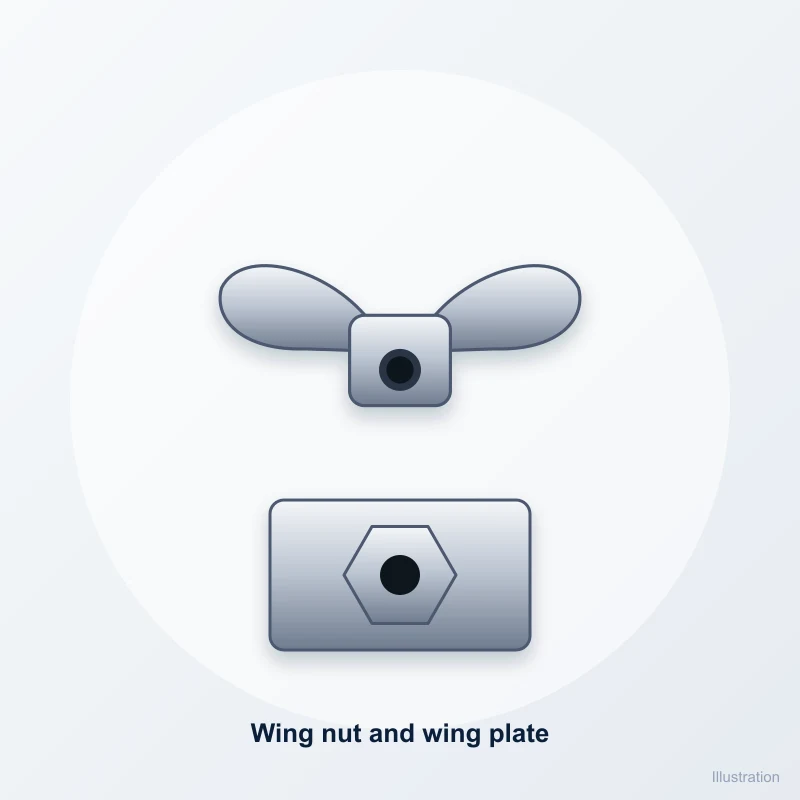
Wing Nut & Wing Plate
Parts: wing nut and wing plate (waller plate) | Fits: formwork tie rod, typical 15 or 17 mm | Material: steel or cast iron | Finish: black or galvanised (confirm) | Supply: loose, sold per piece or carton
The formwork wing nut and wing plate tighten shuttering on a tie rod. The plate spreads the load on the waler, and the winged nut is tightened by hand or hammer.
Key Features
Applications

A formwork wing nut and wing plate are the pair that tighten shuttering on a tie rod. The plate spreads the load on the wall form and the winged nut is turned by hand or with a hammer. They are used in wall and column formwork across the UAE. Falcon Link TR supplies them from Sharjah.
What do the wing nut and wing plate do?
When a wall is poured, wet concrete pushes the two form faces apart. The tie rod pulls them back. At each end of the rod, the wing plate sits flat against the timber or steel waler, and the wing nut screws on behind it. Tightening the nut pulls the form against the cone and sets the wall thickness.
The wings let a carpenter tighten and loosen the nut with a hammer, with no spanner. That is quick on a busy site, and it makes striking easy once the concrete has gained strength.
Wing nut, wing plate, waller plate: what is what?
Names change from site to site. This table sorts them out.
| Name you may hear | What it is | Notes |
|---|---|---|
| Wing nut, butterfly nut, Z-bar nut | The nut with two wings that screws on the tie rod | Formwork type, cast, for 15 or 17 mm rods |
| Wing plate, washer plate | Square or round steel plate under the nut | Spreads the load on the waler |
| Waller plate, waler plate, anchor plate | Same job as the wing plate, in some systems a heavier plate | Check the system before swapping |
| Hex nut and plate | A hexagon nut used with a plate, tightened by spanner | Slower to tighten, no hammer needed |
| DIN 314 wing nut | Small hand-tightened nut for light fixings, often stainless | Not a formwork part. Do not use on tie rods |
Wing nut and plate compatibility
Match the nut to the rod, not to the plate. The thread on a formwork tie rod is usually a coarse, rolled thread that is not always the same as a metric M-size thread. The sizes below are typical. Confirm yours.
| Tie rod | Wing nut | Wing plate | Cone to use |
|---|---|---|---|
| 15 mm | 15 mm formwork wing nut | Square plate, commonly around 100 mm | 15 mm cone |
| 17 mm | 17 mm formwork wing nut | Square plate, size varies by system | 17 mm cone |
| 20 mm | 20 mm formwork wing nut | Heavier plate | 20 mm cone |
| Small hand rod, M10 and below | DIN 314 nut, not a formwork part | No plate | Not applicable |
Plate thickness and hole size vary between suppliers. The safe load depends on the whole system, the rod, the nut, the plate and the waler, not on one part. Use the load data from the system you are working with, or ask your formwork engineer.
Where wing nuts and plates are used
| Job | How the pair is used |
|---|---|
| Wall formwork | One set at each end of each tie rod, tightened against the waler |
| Column and pier boxes | Used with long rods through wide columns |
| Lift cores and shear walls | Many positions, so a quick-tighten nut saves time |
| Basement and retaining walls | Tight fit against the form helps hold the cone and prevent leaks |
| Tank and pit walls | Used with a water stopper on the rod |
Why use a wing nut and plate?
- Quick to fit. Hammer-tight, no spanner needed.
- Load spread. The plate stops the nut biting into timber or soft waler.
- Reusable. Clean nuts and plates can go through many pours.
- Standard fit. Common sizes match common tie rods, so refills are simple.
How to choose and common mistakes
- Start with the tie rod diameter and thread.
- Check the plate size against the waler you use. A plate that is too small digs into timber.
- Pick the finish. Black cast parts are common for repeated use. Galvanised or coated parts resist rust better on humid or coastal sites.
- Count two nuts and two plates per tie rod, one pair for each form face.
Common mistakes: buying small DIN 314 wing nuts for formwork, mixing nuts between different rod systems, and leaving nuts wet and dirty in a heap. Rinse off cement slurry before storing, and oil the thread lightly.
Heat, humidity and site storage in the UAE
Cement slurry dries hard in hot weather and clogs wing nut threads. Clean parts straight after striking, while the slurry is still soft. On coastal sites, rust forms quickly on bare parts left outside overnight, so store in a dry box and apply a light oil film. For projects that need a material submittal, send us the request early and we will tell you what documents we can supply.
What to buy together with wing nuts and plates
They are always used with a formwork tie rod. Add PVC cones for neat recesses and the GI water stopper with cones for watertight walls. For column corners, a shuttering clamp or a PVC chamfer is often used on the same form. See the full formwork and shuttering accessories range.
How to request a quote
Send the tie rod diameter, the number of sets, plate size if you have one, finish and delivery area through the contact page or by phone. A sample or a photo helps us match the thread.
Use Cases
Standard wall shuttering
A wing plate and nut at each end of each tie rod pull the form faces tight against the cones to set wall thickness.
Column boxes
Longer rods pass through the column, with plates and nuts on the outside to hold both form faces.
Lift core pours
Many ties per wall means a fast-tightening nut saves hours per pour.
Basement walls with water stoppers
A properly tightened nut keeps the cone seated, so the recess is clean and the tie rod stays aligned.
Frequently Asked Questions
What is a wing nut used for in formwork?
It screws on to the end of a tie rod behind a plate and pulls the formwork tight. The wings let you tighten and loosen it with a hammer, which is fast on site. It holds the shuttering at the right wall thickness during the pour.
What is a wing plate or waller plate?
It is the square or round steel plate that sits under the wing nut against the waler. It spreads the load so the nut does not dig into timber or steel. Different sites call it wing plate, waller plate, washer plate or anchor plate.
What size wing nut fits a 15 mm tie rod?
A formwork wing nut sold for 15 mm tie rod. The thread is often a coarse rolled thread, not always a metric M size. Give us the rod diameter or send a sample so we can confirm the matching nut and plate.
What is the safe working load of a wing nut?
It depends on the whole system: rod grade, nut, plate and waler. We do not give a single figure here. Use the data of the system you are working with, or ask the formwork designer.
Can wing nuts be reused?
Yes, if threads are clean and the wings are not cracked or bent. Rinse cement slurry off soon after striking, check the thread by hand and discard any damaged nut. A stripped nut can fail under load.
Is a DIN 314 wing nut the same as a formwork wing nut?
No. DIN 314 describes small hand-tightened wing nuts, often stainless, for light fixings. Formwork wing nuts are heavier, cast or forged, and made for tie rods that carry concrete pressure. Do not use one in place of the other.
More from Formwork & Shuttering Accessories
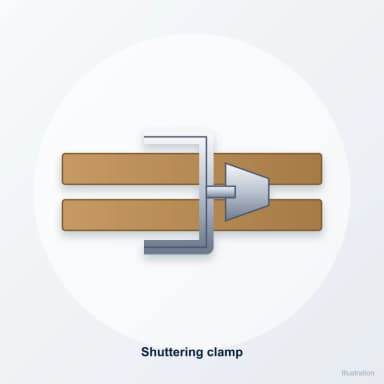
Shuttering Clamp
Material: steel | Type: formwork clamp for plywood and timber | Used on: slab edges, beam sides, columns | Supply: per piece or carton
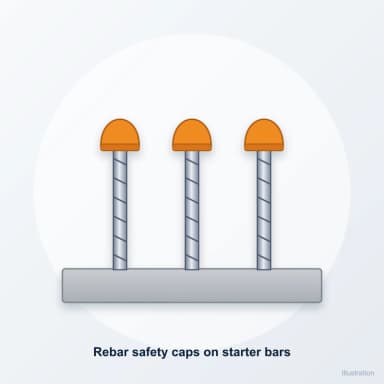
Rebar Cap (Safety Cap)
Material: plastic (PVC or similar) | Types: round, mushroom, square-top | Fits: common rebar diameters (about 8 to 32 mm) | Colour: often orange or red | Supply: per piece or bag
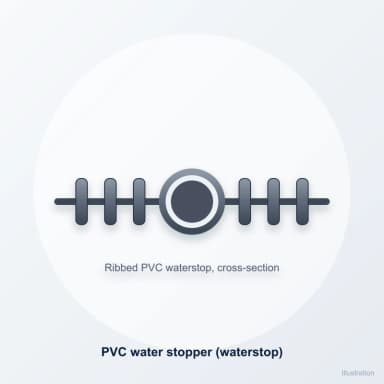
PVC Water Stopper (Waterstop)
Material: flexible PVC | Profiles: ribbed flat, centre bulb | Typical widths: 150, 200, 230, 250 mm | Typical roll length: 10 to 25 m | Use: concrete construction and movement joints | Supply: by roll or by metre
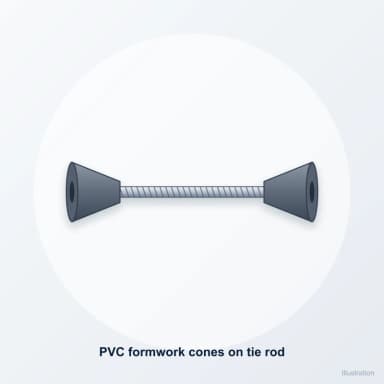
PVC Cone (Formwork Cone)
Material: PVC | Fits: formwork tie rod and spacer tube | Common tie rod sizes: 12 mm, 15 mm, 17 mm | Colour: grey or black (varies by lot) | Supply: loose, sold per piece or carton
Ready to Order? Get a Free Quote Today
Contact our team for competitive pricing, custom orders, and fast UAE-wide delivery.