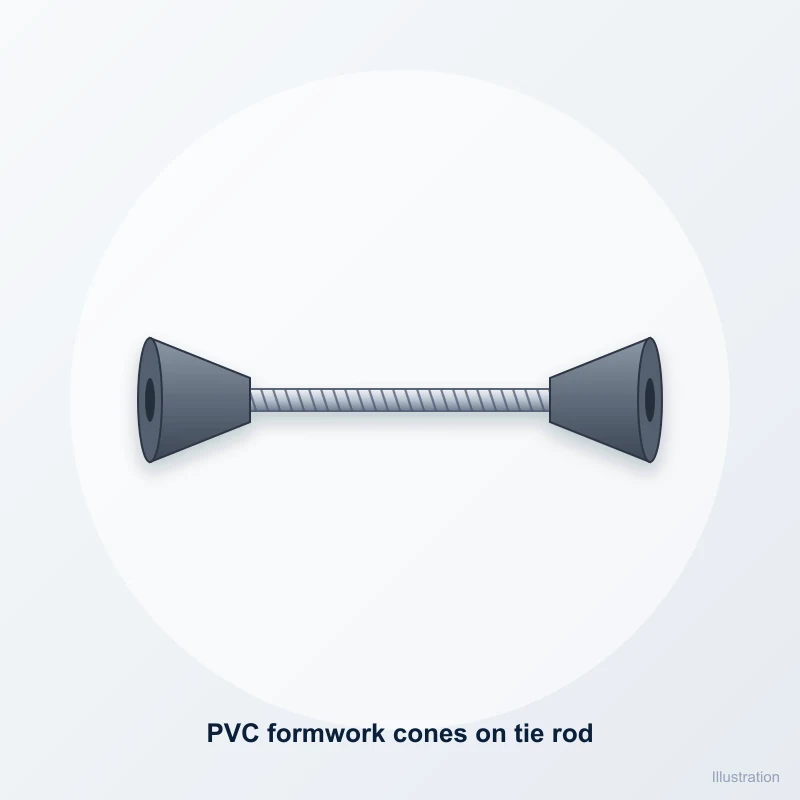
PVC Cone (Formwork Cone)
Material: PVC | Fits: formwork tie rod and spacer tube | Common tie rod sizes: 12 mm, 15 mm, 17 mm | Colour: grey or black (varies by lot) | Supply: loose, sold per piece or carton
PVC formwork cones fit on the ends of a tie rod or spacer tube. They hold the shuttering at the right wall thickness and leave a neat conical recess in the concrete face that is sealed later.
Key Features
Applications

A PVC cone is a small plastic cone that sits on each end of a formwork tie rod or spacer tube. It keeps the shuttering the right distance apart while concrete is poured, then pulls out to leave a conical recess that is filled and sealed. Falcon Link TR supplies PVC cones from Sharjah for UAE concrete work.
What is a PVC cone used for in formwork?
When a wall or column is cast, the two shuttering faces are held together by tie rods. If the rod ran straight to the surface, it would leave a steel end exposed to moisture and rust. The cone solves this. It is threaded or pushed on to the rod, the wall form presses against its flat base, and its tapered body creates a recess about the size of a small cup in the finished concrete.
After the formwork is struck, the cone is removed by hand or with a light tap. The tie rod is cut or unscrewed below the surface, and the recess is filled with non-shrink grout or repair mortar so the face looks clean and the rod end is covered.
PVC cone types and sizes: how to read the range
Cones are matched to the diameter of the tie rod or spacer tube they sit on. Buyers usually ask for them by rod size, so always give the rod diameter first.
| Ask for | What it fits | What to confirm before ordering |
|---|---|---|
| Cone for 12 mm tie rod | Light formwork systems | Thread type and whether the cone is for a rod or a tube |
| Cone for 15 mm tie rod | The most common size in UAE wall and column forms | Rod thread pitch and wing nut size you are using |
| Cone for 17 mm tie rod | Heavier forms and deeper pours | System compatibility, since some systems use their own cones |
| Cone for spacer tube | Forms that use a PVC or fibre tube around the rod | Tube outer diameter and cone depth |
Sizes above are typical trade sizes. Cone shape and thread fit vary between systems, so send a sample or the rod diameter with your quote request.
Why use a PVC cone instead of leaving the tie rod exposed?
- Rust protection. The rod end sits deep inside the concrete, so it is not exposed to damp air, especially important on coastal and humid sites.
- A repeatable recess. Every hole has the same size and depth, which makes the grouting job quick and uniform.
- Easy reuse. The cone pulls off cleanly, so careful crews reuse them across several pours.
- Clean finish. A regular pattern of small recesses is easier to patch neatly than torn-out rod ends.
Where PVC cones are used
| Application | How the cone helps |
|---|---|
| Retaining and basement walls | Sets wall thickness and gives a deep recess for sealing |
| Lift cores and shear walls | Holds tall forms square while pouring |
| Columns and wide piers | Keeps both faces at design width |
| Water tanks and pump rooms | Recess is sealed so rod ends are protected |
| Boundary and precast-style walls | Gives a neat, repeated hole pattern |
How do you choose the right cone?
- Check the diameter and thread of your tie rod or the outer size of your spacer tube.
- Decide whether the cone should be removable (standard) or left in place.
- Match the recess depth to the cover you need over the rod end.
- Confirm the quantity by counting rod positions on the form drawing, two cones per rod.
A common mistake is buying cones by name only. A cone that is a few millimetres off will slip on the rod or split under pressure. Send the rod size, and ideally a photo of your current cone, to our team.
What to buy together with PVC cones
Cones work as part of a set. Most customers also need the formwork tie rod, the wing nut and wing plate that tighten the form, and, for watertight walls, the GI water stopper with cones. Browse the full formwork and shuttering accessories range for the rest.
How to request a quote
Send us the tie rod diameter, the number of cones, whether you need them for rod or tube, and your delivery area through the contact page or by phone. Photos or a sample make matching faster.
Use Cases
Basement wall formwork
Cones hold the two wall faces at the required thickness and leave a recess deep enough to seal over the tie rod end.
Lift core and shear wall pours
Tall forms need many tie positions. Using the same cone everywhere keeps spacing consistent and makes patching quicker.
Water-retaining structures
Used with a water stopper on the tie rod, the cone gives a clean recess that is sealed after striking.
Visible concrete faces
A regular, neat hole pattern is easier to finish than random rod ends, which matters on exposed walls.
Frequently Asked Questions
What is a PVC cone used for in formwork?
It is fitted on the end of a tie rod or spacer tube so the shuttering sits at the correct wall thickness. After the pour it is removed, leaving a cone-shaped recess that is filled with grout so the tie rod end is covered.
Which tie rod sizes do PVC cones fit?
Cones are made to suit common tie rod diameters such as 12 mm, 15 mm and 17 mm, plus spacer tubes. Systems differ in thread and fit, so give us the rod diameter or a sample and we will confirm what matches.
Can PVC cones be reused?
Often yes. If they are removed carefully and not cracked or deformed by pressure, they can go on to the next pour. Check the fit each time, because a worn cone can leak slurry or sit loose on the rod.
How many cones do I need for a wall?
Two per tie rod, one on each face. Count the tie rod positions on your formwork drawing and multiply by two. Add a small allowance for breakage if the cones will be reused many times.
How do you fill the hole left by a PVC cone?
Remove any loose material, wet the recess, cut the rod below the surface, then fill with a non-shrink grout or repair mortar. For water-retaining walls, follow the engineer's sealing detail for the tie positions.
What is the difference between a PVC cone and a water stopper with cones?
A PVC cone only spaces and recesses the tie rod. A water stopper with cones adds a metal plate on the rod that blocks water travelling along it, which is used for watertight concrete. We cover both on separate pages.
More from Formwork & Shuttering Accessories
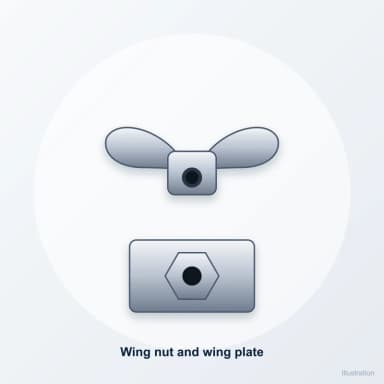
Wing Nut & Wing Plate
Parts: wing nut and wing plate (waller plate) | Fits: formwork tie rod, typical 15 or 17 mm | Material: steel or cast iron | Finish: black or galvanised (confirm) | Supply: loose, sold per piece or carton
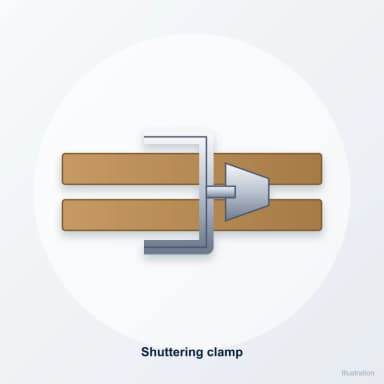
Shuttering Clamp
Material: steel | Type: formwork clamp for plywood and timber | Used on: slab edges, beam sides, columns | Supply: per piece or carton
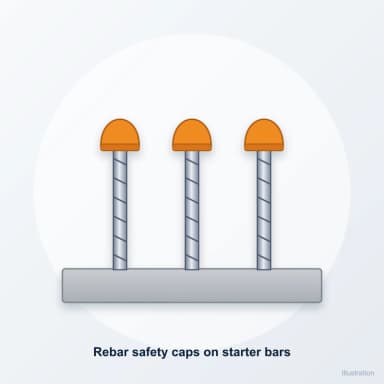
Rebar Cap (Safety Cap)
Material: plastic (PVC or similar) | Types: round, mushroom, square-top | Fits: common rebar diameters (about 8 to 32 mm) | Colour: often orange or red | Supply: per piece or bag
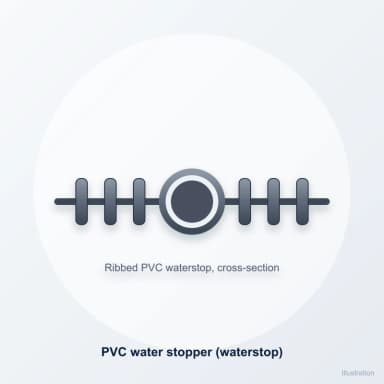
PVC Water Stopper (Waterstop)
Material: flexible PVC | Profiles: ribbed flat, centre bulb | Typical widths: 150, 200, 230, 250 mm | Typical roll length: 10 to 25 m | Use: concrete construction and movement joints | Supply: by roll or by metre
Ready to Order? Get a Free Quote Today
Contact our team for competitive pricing, custom orders, and fast UAE-wide delivery.